
Great success at the official presentation of the new aid for detecting cadavers in the early stages of decomposition
21 de July de 2025
Biodetection, a fundamental specialty for the defense of biodiversity
30 de October de 2025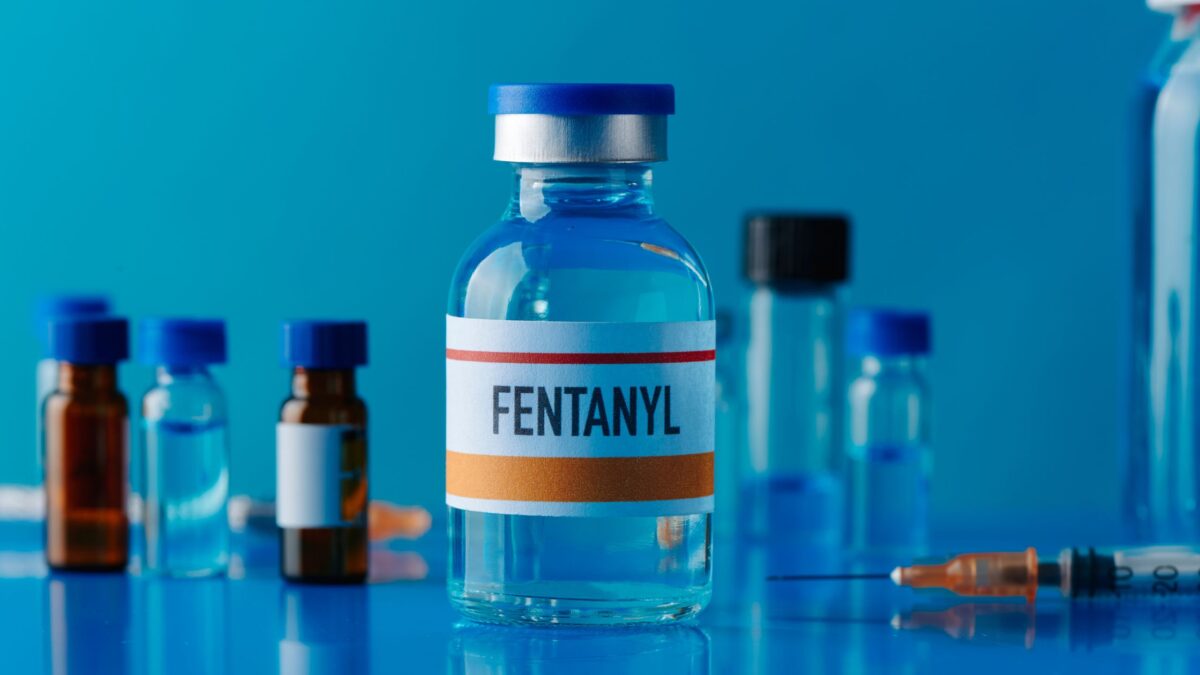
Fentanyl, also known as the zombie drug, is a synthetic opioid between 50 and 100 times more potent than morphine. In the medical field, it is used in a controlled manner as an anesthetic to treat acute pain, but its diversion to the illegal market has made it one of the main threats worldwide.
Origin of the opioid crisis
The illegal use of fentanyl and other opioids originated in the United States in the 1990s, when there was a massive increase in the prescription of highly addictive painkillers such as OxyContin. Many patients developed a dependency and, seeking cheaper alternatives on the black market, turned to heroin. Over time, fentanyl replaced heroin because it was even cheaper and more potent, leading to massive consumption. In 2021, fentanyl became the leading cause of unnatural death in the US among young people aged 18 to 45.
Situation in Europe
In Europe, the situation is less serious than in the US, but equally alarming. In the legal sphere, Germany (14.48% of global consumption) and Spain (11.8%) are among the world’s leading consumers of fentanyl. On the illegal side, the data is also worrying: in Germany, in 2024, an estimated 75,000 people died from fentanyl-related overdoses. In addition, in 2020, enough fentanyl was seized in Spain to cause overdoses in 10,500 people. An added problem is that 70% of cocaine and heroin in Europe is already adulterated with fentanyl, which lowers costs, increases potency, and makes consumers more addicted.
Risks in handling and seizure
Fentanyl presents a high risk of exposure. Just 2 mg (equivalent to two grains of salt) can be fatal to a human being (see ilustration 1). Inhaling the dust in suspension can cause immediate overdose, making seizures extremely risky operations for law enforcement. For this reason, it is essential to apply strict intervention protocols, always work in pairs, have the appropriate equipment, and have naloxone, the antidote capable of reversing an overdose, either in the form of a nasal spray or injection (intramuscular, subcutaneous, or intravenous).
The role of canine units
Canine units are an exceptional tool for detecting fentanyl. Their sense of smell, thanks to its extraordinary selectivity, is capable of distinguishing specific molecules even in complex mixtures. In addition, they are so sensitive that they can detect minute concentrations in the parts-per-trillion range. Added to this ability is the speed and efficiency with which they work in the field, providing immediate results without the need to handle samples. They are also less affected by humidity and temperature than electronic noses, making them irreplaceable allies in operational contexts.
The problem is that training dogs with real fentanyl is extremely dangerous, both for them and for their handlers. In addition, detecting fentanyl in operational situations where it can come into contact with the dog’s eyes, nose, or paw pads can be fatal. However, it is essential to develop and use tools that allow canine units to detect fentanyl in minimal concentrations, so that in real conditions they can detect it from a distance, enabling officers to protect themselves adequately before seizure.
Fentanyl, due to its rapid spread, low cost, and high addictiveness, is one of the greatest challenges to public health and safety worldwide. Society must act by stepping up seizures and providing law enforcement with the most powerful detection tool: dogs. But we must also protect these working companions by ensuring that they have safe protocols, equipment, and training systems, because only then can dogs continue to be the first line of defense against a drug that threatens the health and safety of millions of people. That is why at Auziker we are working on developing a safe training aid prototype that will enable this opioid to be detected effectively without any risks. We currently have a prototype that has already been validated in the laboratory. We are carrying out this project with the financial support of Ports 4.0.