Fentanyl: A silent threat that has already reached Europe
10 de September de 2025
Security at large events: the crucial role of K9 dogs
24 de November de 2025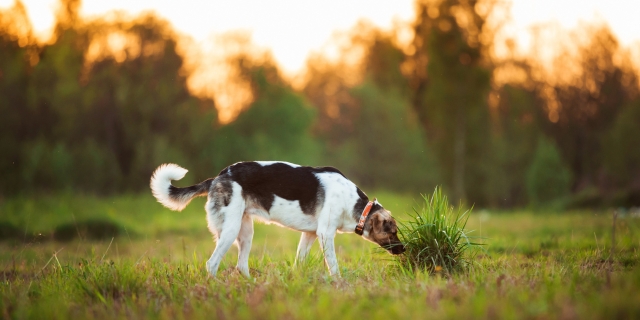
In Spain, we are more than accustomed to the use of detection dogs to search for explosives, drugs, missing persons, or money. However, biodetection is a relevant specialty that we must not forget.
From the perspective of biodiversity conservation, biodetection refers to the tracking of an olfactory marker to identify compounds, substances, or animal or plant species. This technique is primarily carried out by dogs (canine biodetection) or devices (biosensors).
Both methods share a common objective: to protect fauna and flora using dogs and/or devices. Tasks specifically targeting fauna seek to identify the presence of a predatory, endangered, or diseased animal species, and then monitor their movements or protect them. Tasks targeting flora seek to identify plant species that may be carrying a disease or that are part of a pest, in order to limit its spread and protect the environment.
Technologically speaking, biodetection systems are advancing rapidly, but in practice, they present several limitations. This method relies on systems such as photo-trapping cameras, cartography or mapping cameras, drones, or GPS sensors attached to animals to monitor and identify the target.
Although drones and mapping cameras are advanced tools, their cost and low versatility in adverse weather conditions or overgrown terrain affect their effectiveness. Photo-trapping cameras, while among the most economical alternatives for biodetection tasks, are also not versatile and require a person to leave the camera in a strategic location and then pick it up after a certain time without ensuring that images of the target have been obtained. A similar situation exists with GPS devices, which, in the case of an animal species, require capturing the animal to place the device.
Canine biodetection leverages the dog’s sense of smell to detect specific odors associated with biological remains (feces, fur, feathers, etc.), certain diseases, and the smells that living beings may emit.
They were first used in New Zealand around 1890. At that time, authorities wanted to count the population of their native birds and determine their threat level (the origin of the use of biodetector dogs).
Dogs are currently working to detect diseases in crops, such as Little Cherry Disease (LCD), an incurable disease that ruins entire crops. Previously, detection relied on laboratory tests (PCR), a reliable but slow and expensive method. Now, dogs are used and help detect the disease before it becomes irreversible, thanks to the low concentrations of the disease that dogs can detect, something that PCRs couldn’t always achieve.
Our Otso project relies on dogs’ abilities to detect and monitor wolf movements and biological remains. The goal is to track wolves for two reasons: to protect them as a species and to ensure good coexistence with livestock farmers.
Conservation dogs are not only effective but also cost-effective. Furthermore, by identifying these threats early, control measures can be implemented to protect biodiversity and the health of the natural environment, making dogs the number one ally in protecting our ecosystems.